7 hr
Authentic Maasai Village Day Tour from Nairobi
- Expert local guide
- Small group
- Skip-the-line access
- Free cancellation
Masai Village Tour — Guided Cultural Entry in the Masai Mara
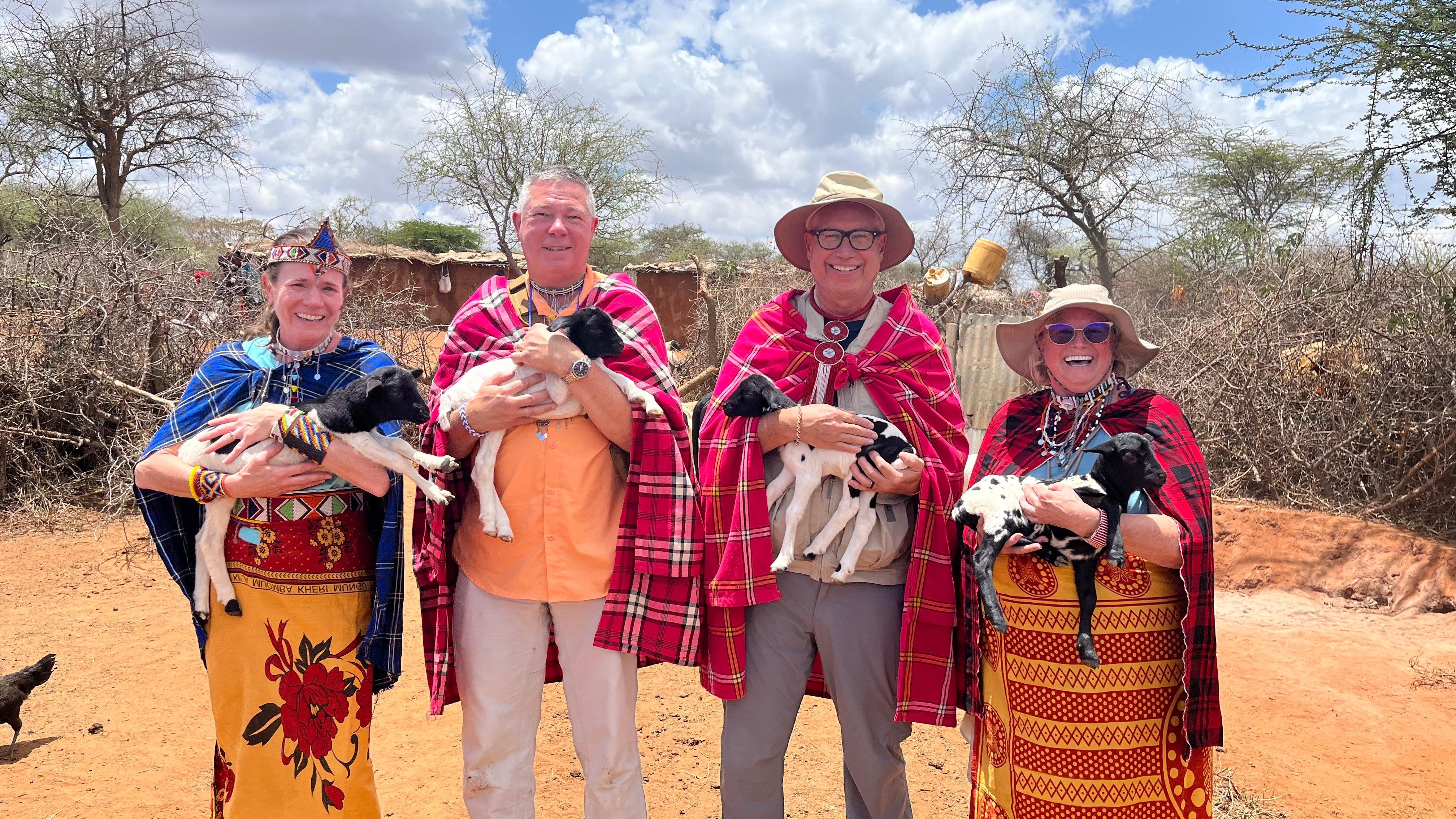
Red shukas against golden plains, elders keeping the fire.
Compare fares, pick the fit — all bookings are mobile-voucher and eligible for free cancellation where shown.
7 hr
13 hr
7 hr
Hand-picked experiences loved by thousands of travelers
6 hours
Free Cancellation
Embark on a six-hour journey from Nairobi to visit a traditional Maasai community at the foot of a dormant volcano.
6 hours
Free Cancellation
Escape the tourist trail for an intimate look at Maasai life, from traditional fire-starting to local cooking in a remote village.
1 day
Free Cancellation
Experience the legendary Masai Mara on a full-day adventure featuring wildlife spotting, cultural encounters, and savanna vistas.
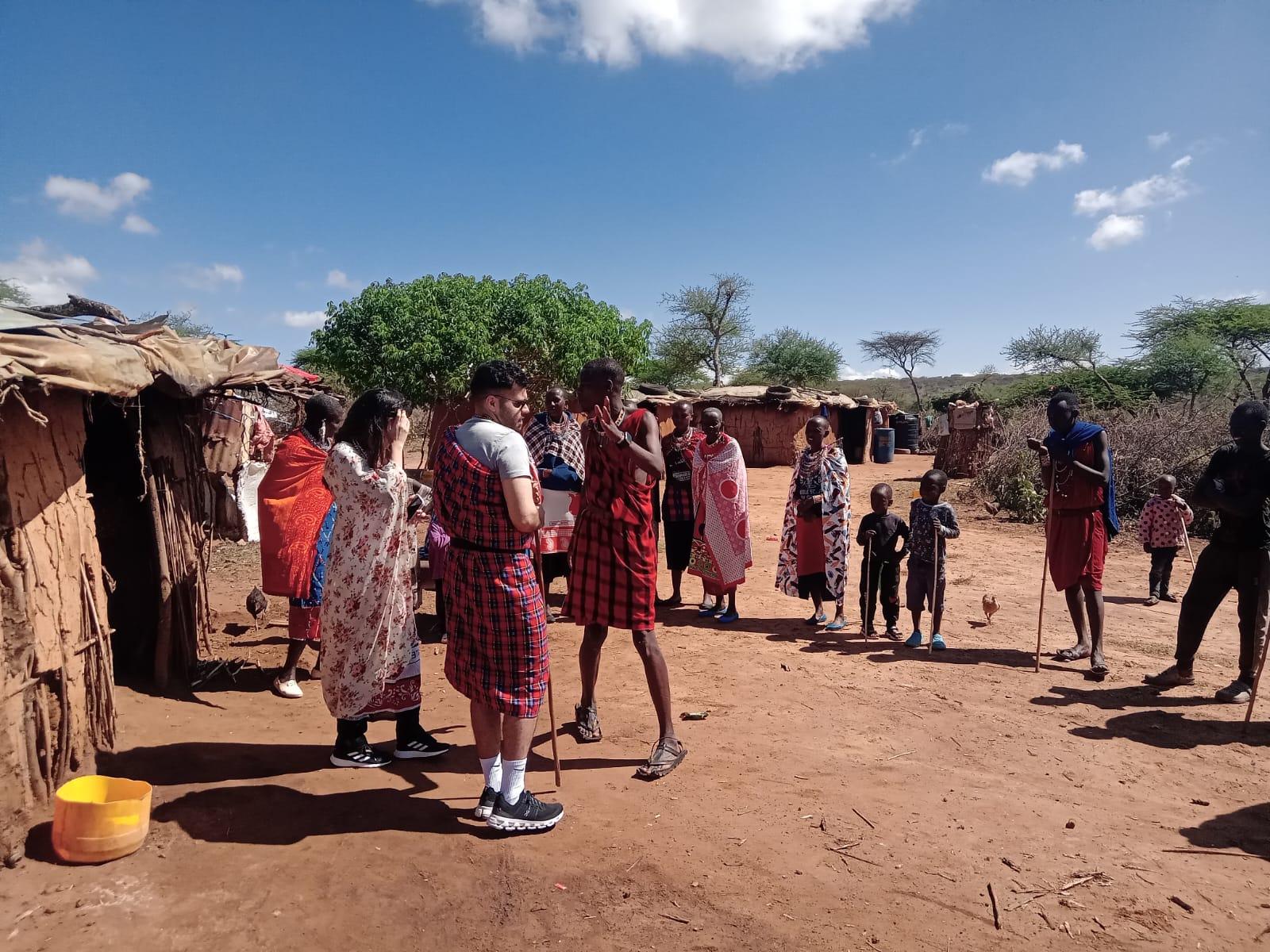
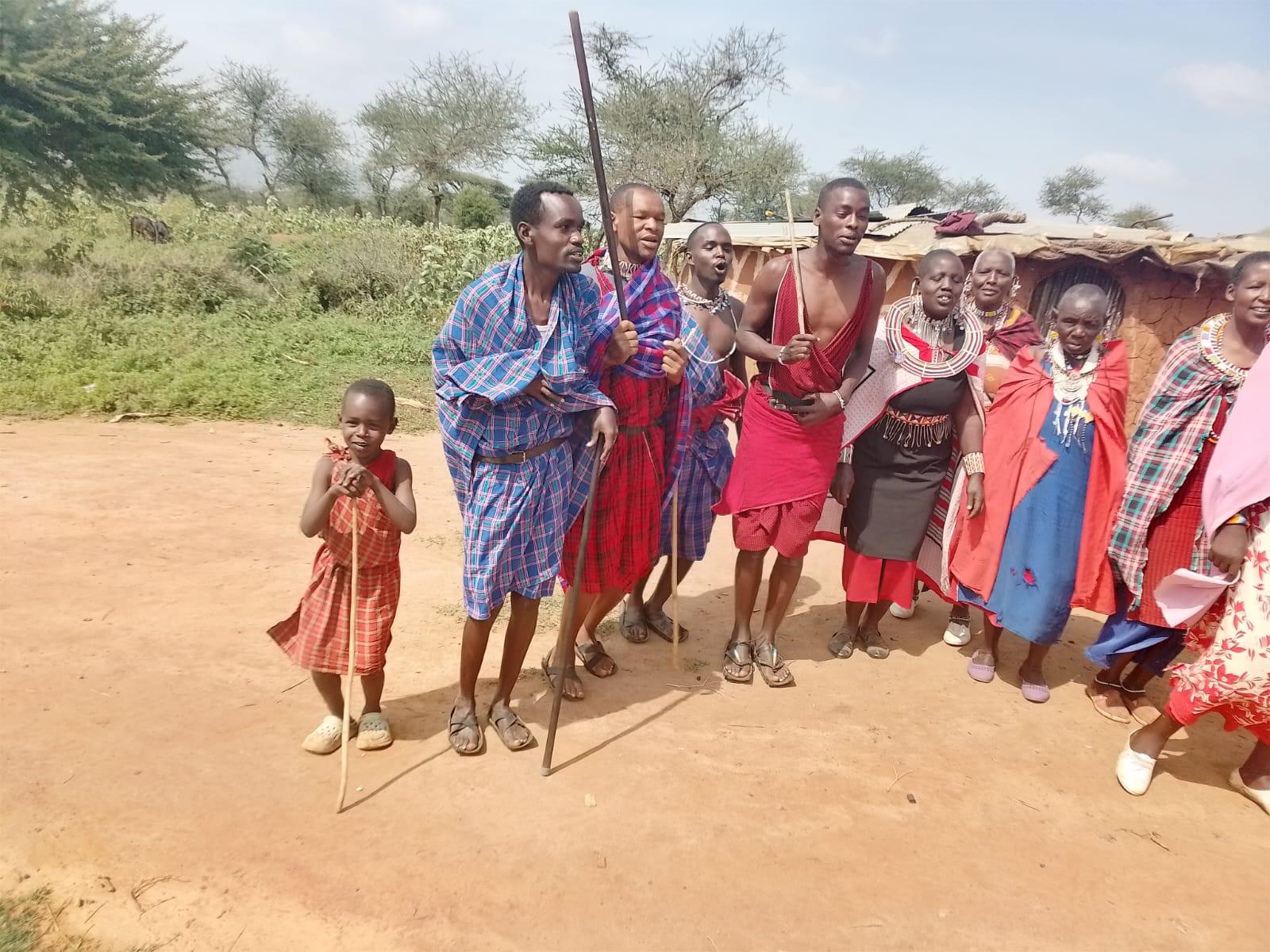
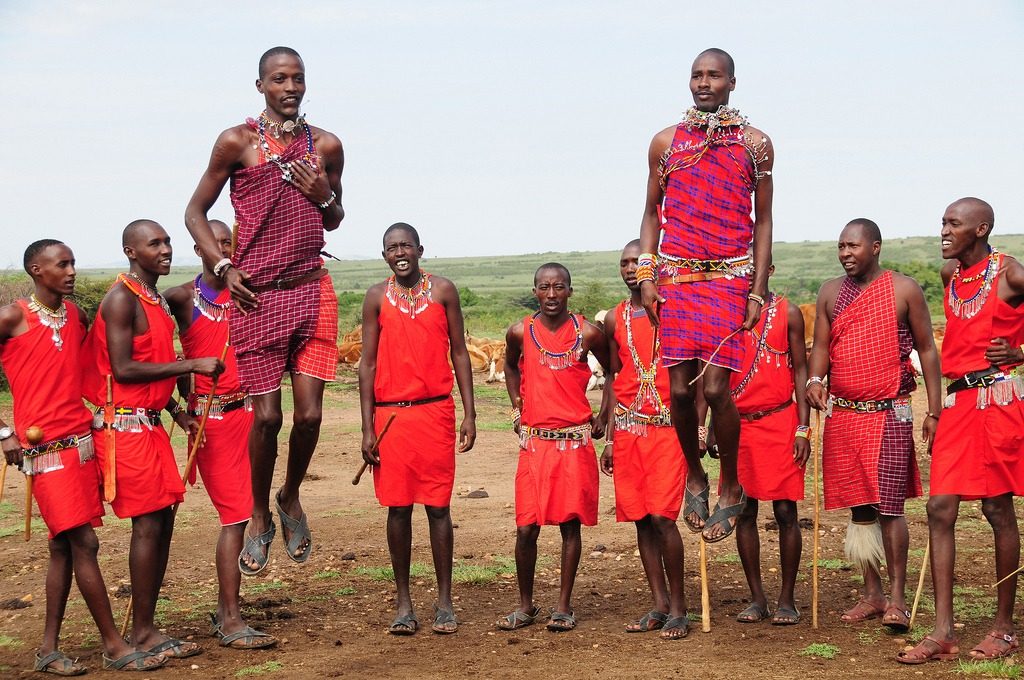
The village hosts greet guests at the main entrance with welcoming chants, singing, and a traditional jumping dance performance.
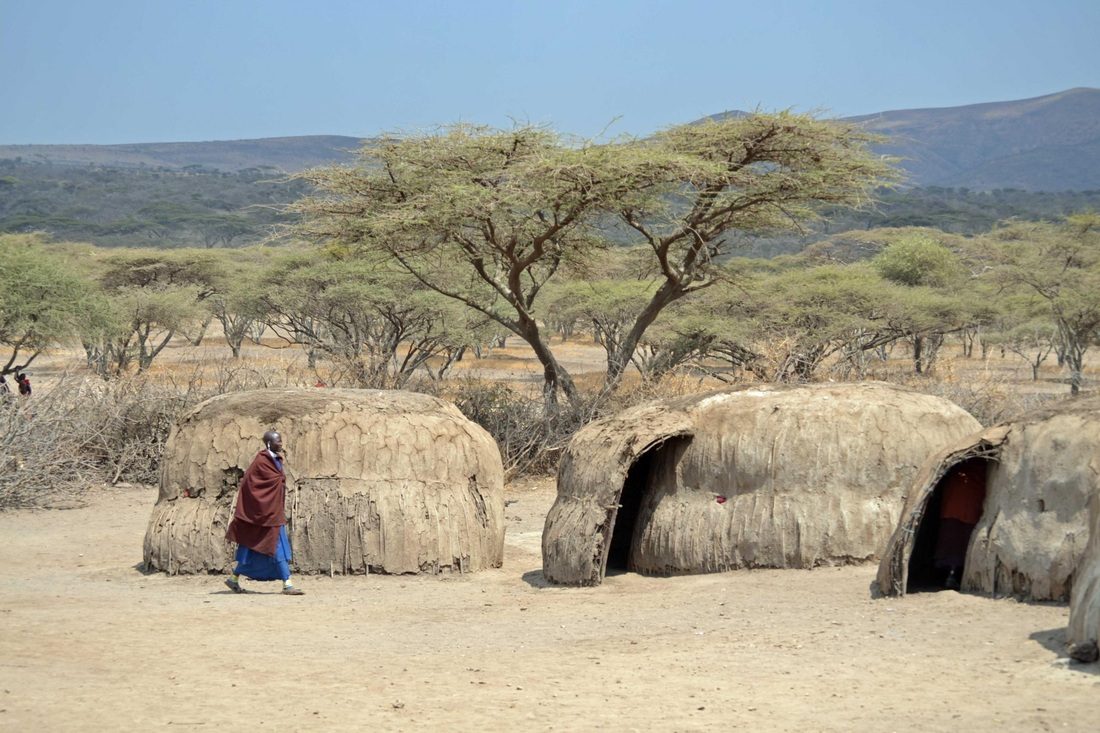
A local guide explains how the manyatta dwellings are built using mud, sticks, and thatch before showing you the interior of a traditional house.
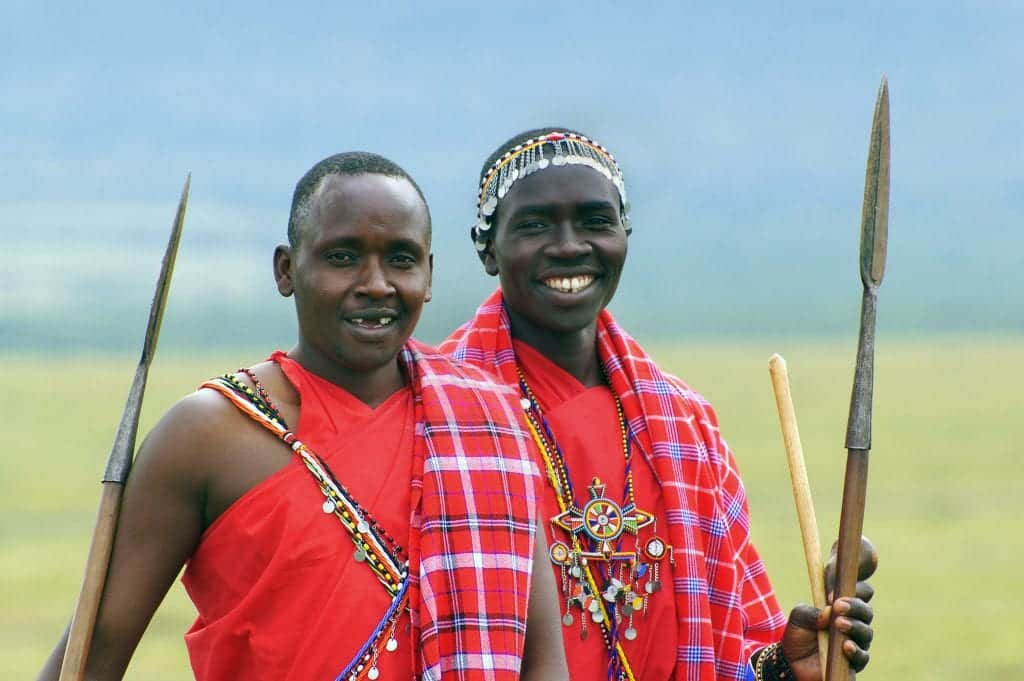
Watch the warriors demonstrate ancient techniques of rubbing olive twigs and cedar wood together to ignite a fire without matches.
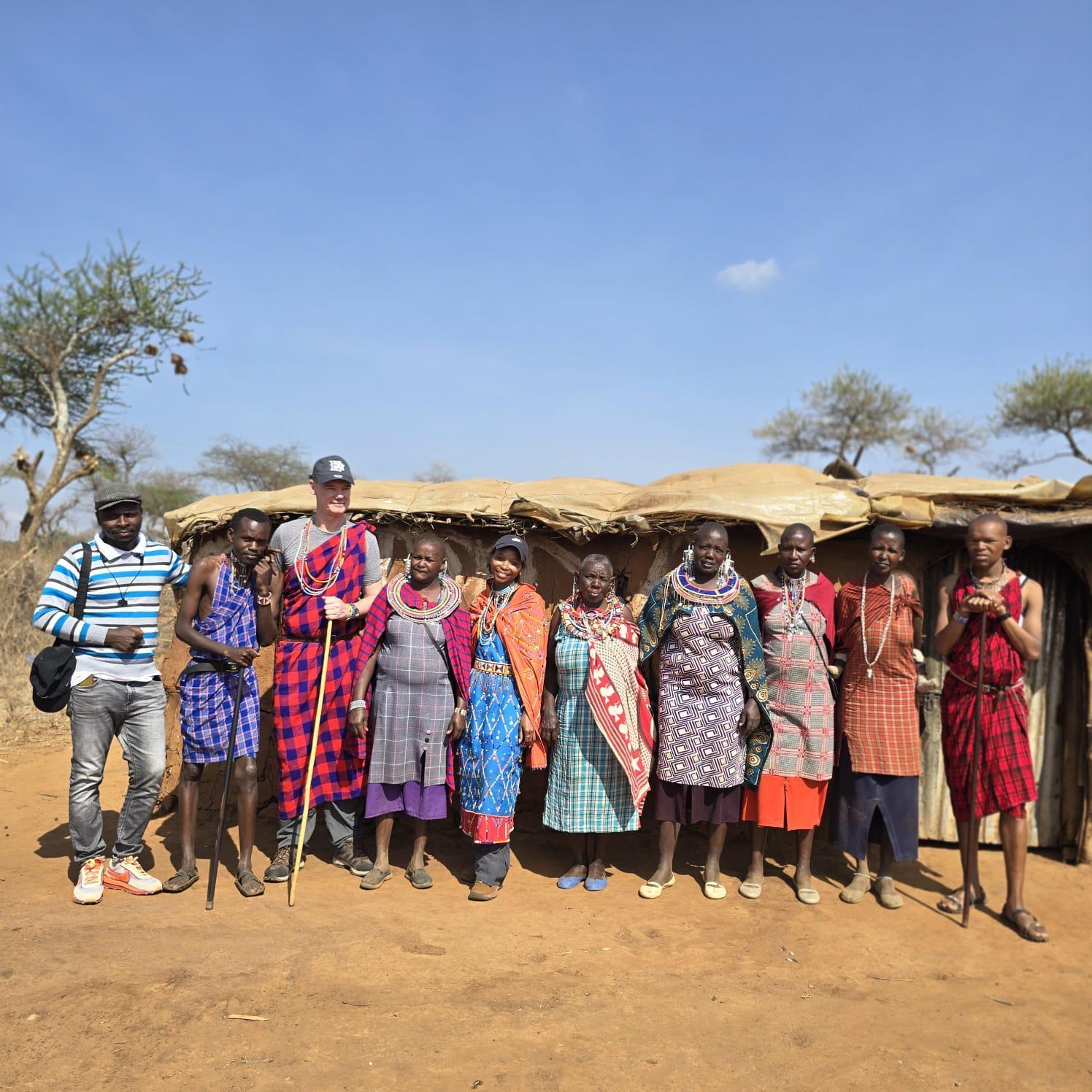
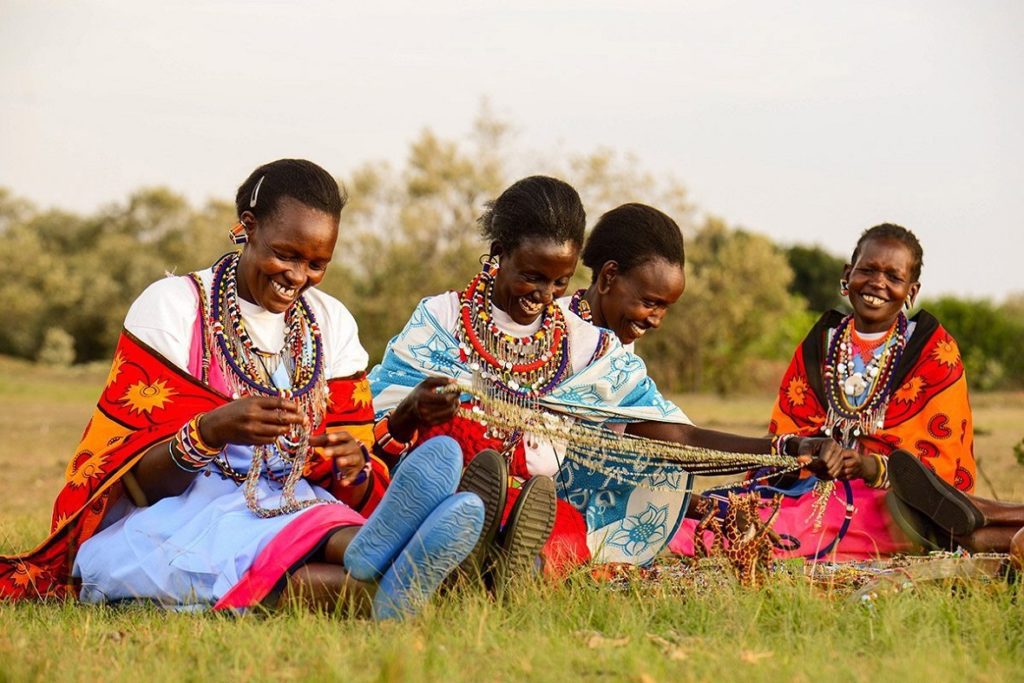
Discuss daily routines with the elders and browse handmade beaded necklaces and crafts created by the local women.
This circular central area is enclosed by thick acacia thorns to protect the village livestock from nocturnal predators like lions. It serves as the physical and social heart of the settlement, where daily herding duties commence.
These low-profile, windowless houses are constructed by Maasai women using a framework of wooden branches plastered with a mixture of mud, grass, and cow dung. The resulting structures are remarkably insulated, keeping the interiors cool during the hot midday hours.
This open-air gathering space, shaded by a large acacia tree, is where the village elders sit to discuss community matters, resolve disputes, and share historical oral narratives. Visitors can sit with the elders here to learn about tribal heritage and ancestral customs.
A dedicated dirt clearing where the young morans, or warriors, perform the traditional jumping dance. During this display of physical strength, warriors compete to jump straight up into the air without letting their heels touch the ground.
A communal outdoor workspace where the women of the village gather to create intricate necklaces, bracelets, and ornaments. Each color used in their traditional patterns holds specific cultural meaning, such as red representing bravery and white symbolizing peace.
You arrive between 09:00 and 11:00, when the air over the plain is still cool and the village is awake with work rather than heat. At the thorn-fence gate you pay the 30 USD cultural entry, and a young moran in a red shuka steps forward to walk you in. First comes the greeting. The men gather in a loose line and begin the adumu, launching straight up from flat feet while the group hums a low, rising chant; you are waved in to try a jump, and you fail to clear their height by a comfortable margin. You pause at the ring of enkaji homes, stoop through a low doorway, and let your eyes adjust to the dark interior where a small fire smokes and a calf shelters from the cold. Then the demonstrations. An elder crouches and coaxes flame from two sticks and a bed of dry dung in under a minute. Women spread beadwork across a cloth — collars, bracelets, ear discs — and explain the colour code before you buy directly from the maker. You duck out to the cattle pen at the centre, learn how the herd is counted at dusk, and photograph the settlement ringed against open grass. By the time you leave, the sun has climbed and the day's masai village tour has folded you, briefly, into its rhythm.
All the details about your upcoming adventure in one place
A masai village tour drops you inside a traditional enkang — a thorn-fenced Mara homestead — where Maasai warriors lead demonstrations of fire-making, adumu jumping, and intricate beadwork alongside community elders. These guided Maasai manyatta visits reveal the layered social structure of the community, from junior warriors in their red shuka to leaders who govern cattle-grazing rights across the savanna. Secure masai village tour tickets in advance to guarantee a small-group slot and a more personal cultural exchange.
The Maasai do not build their homesteads to last. A manyatta — the circular enclosure of mud, cattle dung and woven branch that forms a Maasai village — is designed to be abandoned within a decade, dissolved back into the plain when the grazing thins and the herd must move. Permanence was never the point; movement was. That philosophy sits at the heart of any masai village tour across the Masai Mara National Reserve in Narok County. The Maasai are a Nilotic people who migrated south from the lower Nile valley several centuries ago, settling the Great Rift Valley grasslands that straddle present-day Kenya and Tanzania. Their name derives from Maa, the language they still speak, and their identity remains bound to cattle, which they regard as a gift entrusted to them and a measure of wealth, dowry and standing far more than currency ever was. A visit today matters because it preserves something the twentieth century tried hard to erase. Colonial treaties in 1904 and 1911 stripped the Maasai of vast northern rangelands, and the later gazetting of the Mara and Serengeti as protected reserves pushed pastoralists to the margins of land they had grazed for generations. Cultural tourism, when the fees flow directly to the community, has become one route by which villages reclaim a stake in that landscape — the conservation entry supports schools, water and the elders who hold the oral record. The architecture rewards a close eye. Homes, called enkaji, are raised by women from a lattice of sticks plastered with dung and ash, low-roofed and windowless against wind and predators, arranged in a ring around the livestock pen so the cattle sleep at the settlement's protected core. An outer fence of thorned acacia, the enkang, keeps lions at a distance through the night. What a masai village tour reveals beyond the structures is a full social grammar. Age-sets govern life: boys become morans, the warrior class, through initiation, and the famous adumu — the jumping dance, in which young men leap vertically from a standing position — is both a display of stamina and a courtship rite. Beadwork carries meaning too, each colour coded: red for bravery and the blood of cattle, blue for the sky and rain, white for peace and milk. Ochre reddens the braided hair of the warriors. Little of this is staged for visitors; it is daily life in the Masai Mara, briefly opened to the outside.
Permanence was never the point; movement was.
Visitors are advised to wear sturdy closed-toe walking shoes due to the uneven dirt terrain and animal dung. Neutral-colored clothing is recommended, and shoulders and knees should be covered as a sign of respect during the masai village tour.
There are no security lockers or bag storage facilities at the village gates. Visitors must keep all personal belongings on their person throughout the walk.
Photography of the homesteads, group dances, and fire-making is welcome. However, you should always ask for permission before taking close-up portraits of individual community members during your masai village tour tour.
Families will find the experience highly educational for young children. Strollers are not recommended due to the rough terrain, but kids are welcome to participate in the traditional dances during a masai village tour.
The village trails consist of uneven dirt, grass, and acacia thorns, making wheelchair access highly difficult. Those embarking on a masai village tour will encounter natural obstacles like narrow gates and mud steps leading into the traditional dwellings.
There are no restaurants or food stalls within the settlement. Bringing bottled water is highly recommended, but visitors should carry all trash back out to protect the local environment.
Morning activities begin early
Opening Hours
00:00–23:59
Address
Masai Mara National Reserve, Narok County, Kenya
Best Arrival Window
09:00–11:00
Accessibility
Limited terrain access due to dirt paths
Entrance Fee
30 USD
Car · 5–6 hours · Fuel costs vary
Drive from Nairobi via the C12 highway through Narok town to the Sekenani Gate. A 4x4 vehicle is highly recommended due to unpaved, rough dirt roads inside Narok County.
Public transport · 7–8 hours · 15–25 USD
Take a shared minibus taxi (matatu) from Nairobi to Narok town, then transfer to a local vehicle heading towards Sekenani. This mode is budget-friendly but schedules are irregular and require multiple transfers.
Taxi · 15–45 minutes from nearby lodges · 30–60 USD
Hire a private 4x4 taxi or book a guided transfer package directly from your lodge in the reserve. This is the safest and most reliable way to reach a masai village tour location.
Bookings for a masai village tour can be canceled up to 24 hours in advance for a full refund. The 30 USD cultural entry fee per person is paid directly to the village elders and is non-refundable once paid at the gate.
Weather · crowds · average price — dots go green to amber to red as each metric rises.
This dry season corresponds with the wildebeest migration and offers warm daytime temperatures averaging 26 degrees Celsius. Wildlife is highly active, making it easy to pair your village visit with game drives.
These months represent a dry spell with fewer visitors, allowing for a quieter and more intimate dialogue during a masai village tour. Morning temperatures remain cool, which is ideal for the walking portion of the experience.
This is the long rainy season where heavy downpours can turn the village paths muddy and slippery. While travel is more challenging, the landscape is lush and green, and the villages are far less crowded.
The short rains bring brief afternoon showers, but mornings generally remain sunny and clear. This is a great window to experience the local culture before the holiday rush.
Respect is crucial when visiting the community. Always ask your guide or the individual villager for permission before taking close-up photos, especially of children.
If you plan to purchase any of the beautiful handmade beadwork, carry small bills in USD or Kenyan Shillings. The villagers cannot easily change large bills.
The village grounds are unpaved, dusty, and often covered with acacia thorns and livestock waste. Sturdy sneakers or hiking boots will protect your feet.
When the warriors invite you to join the traditional jumping dance, do not hesitate to participate. It is a gesture of goodwill and a fun way to engage with your hosts.
Engage an authorized guide who can translate the local Maa language. This allows you to ask deeper questions about their semi-nomadic pastoralist lifestyle during your masai village tour.
Traditional homes are small and dark, built from mud and wood. Tread carefully inside, avoid touching structural posts, and watch your head at the low entrances.
Masai Mara National Reserve, Narok County, Kenya
The primary entrance gate where visitors meet local guides for village excursions.
Get directionsMasai Mara National Reserve, Narok County, Kenya
An eastern entrance gate with several traditional communities located just outside the reserve boundary.
Get directions
Real experiences from real travelers
Our masai village tour started just after sunrise and the light across the plains made the red cloaks glow. The warriors explained the jumping dance and let us try, and the elder walked us through fire-making by friction. It felt like a genuine exchange rather than a staged show.
Being invited inside a low mud hut and seeing how a family lives was the highlight for me. Our guide translated everything and answered honest questions about grazing, cattle, and school. Booking masai village tour tickets through our camp was simple and the fee clearly supported the community.
The beadwork demonstration by the women was beautiful and I bought a bracelet directly from the maker. The visit felt a little quick at around 45 minutes and the midday sun was strong, so I would ask for a morning slot. Still a worthwhile stop between game drives.
The adamu dance was the moment everyone remembers, and yes they pull you in to jump. Standing on the open savannah with acacia trees on the horizon while the men chanted was quietly powerful. Our masai mara cultural tour guide made sure nothing felt rushed.
What I appreciated most was how frank the elders were about daily life, drought, and the balance between tradition and modern schooling. The Maasai village visit gave real context to the wildlife we had been watching all week. Bring small cash if you want to buy crafts.
We timed our maasai boma tour for late afternoon and the whole enkang glowed ochre and red. Children showed us their tiny classroom and the women sang as we arrived. Respectful, photogenic, and genuinely educational.
These masai village tour tours can feel touristy if you arrive expecting a documentary, but if you engage and ask questions it opens up. The thorn-fence enclosure, the cattle, and the smoke from cooking fires all felt authentic. The craft market at the end is optional, no pressure to buy.
Standing among the manyatta huts at dusk with warriors in beaded collars was the highlight of our safari. The masai village tour was well organised and our fee went straight to the community fund. Ask your guide about the significance of the red shuka.
An unrushed masai mara village experience with real warmth from the hosts. The fire-making demonstration drew a crowd and the men were patient teaching the jumping. Combining the masai village tour tour with an evening game drive worked perfectly.
Our visit felt a bit hurried and the craft selling was more insistent than I expected. That said, the setting on the open plains was lovely and the dance was worth seeing. I would recommend confirming the length and the community fee before you go.
Everything you need to know for your journey
A masai village tour can be experienced daily from 00:00 to 23:59, as the communities are active throughout the day. However, it is best to arrive between 09:00 and 11:00 to see morning tribal chores before the midday heat.
There are no physical tickets, but visitors must pay a cultural entry fee of 30 USD per person. This fee is paid directly to the village elders to support local school fees and community water projects.
Yes, children are very welcome to participate in a masai village tour, where they can watch the herding chores and dance. Strollers are not recommended due to the unpaved, dusty paths.
We recommend wearing sturdy, closed-toe walking shoes to protect against thorns and uneven dirt. Neutral-colored clothing is ideal, and visitors should dress modestly with shoulders and knees covered during the masai village tour.
Yes, taking pictures of the group dances and the homestead structures is fully permitted. However, you should always ask individual community members for permission before taking close-up portraits during your masai village tour.
A standard masai village tour usually lasts between 1 and 2 hours. This time includes the greeting dance, a tour of the houses, the fire-making demo, and time to browse the beadwork market.
Prohibited items include drones, single-use plastic bags, weapons, and alcohol. Visitors on a masai village tour must also refrain from using loud speakers or flash photography without permission.
Many authentic villages are situated just outside the major reserve boundaries, particularly near the Sekenani and Ololaimutiek gates. Your safari driver can coordinate a detour to one of these locations.
Most travelers arrive by private 4x4 safari vehicles from their respective lodges. You can also drive from Narok town, which is the main administrative center located about 2.5 hours away.
No, the terrain consists of rough dirt trails, narrow cattle gates, and steps made of mud. This makes a masai village tour highly difficult for wheelchair users.
The main entry point to the eastern sector of the Masai Mara National Reserve, featuring administrative offices and local craft stands.
Scenic areas along the river where wildebeests cross during the annual migration, attracting crocodiles and hippos.
A busy eastern entry gate located near several local settlements and campgrounds, providing access to the reserve's wild dog populations.
A community-owned conservancy bordering the reserve that serves as a key wildlife corridor for elephants and wild dogs.
A luxury tented camp situated in the heart of the Masai Mara, offering glass-fronted tents and guided nature walks.
An eco-friendly tented lodge set at the source of the Sekenani River, featuring elevated tents on wooden platforms.
A resort-style lodge built along the Talek River, offering wood-and-stone rooms and wildlife viewing decks.
A budget-friendly tented camp situated near the Ololaimutiek Gate, providing basic facilities and traditional campfires.
Join thousands of happy travelers who have discovered this incredible experience
Book Your Experience Now