
Masai Mara Tours Logo
English| EUR
Suggested for you
More currencies
Book Now

Masai Mara Tours

Open grasslands where lions, elephants and a million wildebeest move across the Kenyan plains.

5 Attractions
€100 From
Destination guide

Why Visit the Masai Mara?

The Masai Mara is not a park in the ordinary sense but a corridor. Its grasslands form the northern tip of a single ecosystem that runs unbroken into Tanzania's Serengeti, and the animals do not recognize the border a map insists upon. This continuity is what makes the region extraordinary.

Read more Show less

Wildlife arrives and departs on ancient schedules, and the plains fill and empty like tidal flats.

What shaped the Mara was water and grass. The Mara River winds through the reserve, and its banks and crossings have become the stage on which the savanna's oldest drama plays out. Around this artery the land opens into rolling short-grass plains punctuated by flat-topped acacias and rocky outcrops the Maasai call kopjes. The name itself honors the Maasai people and the tawny, mottled look of the terrain seen from a distance. Human history here is measured in cattle and migration rather than monuments.

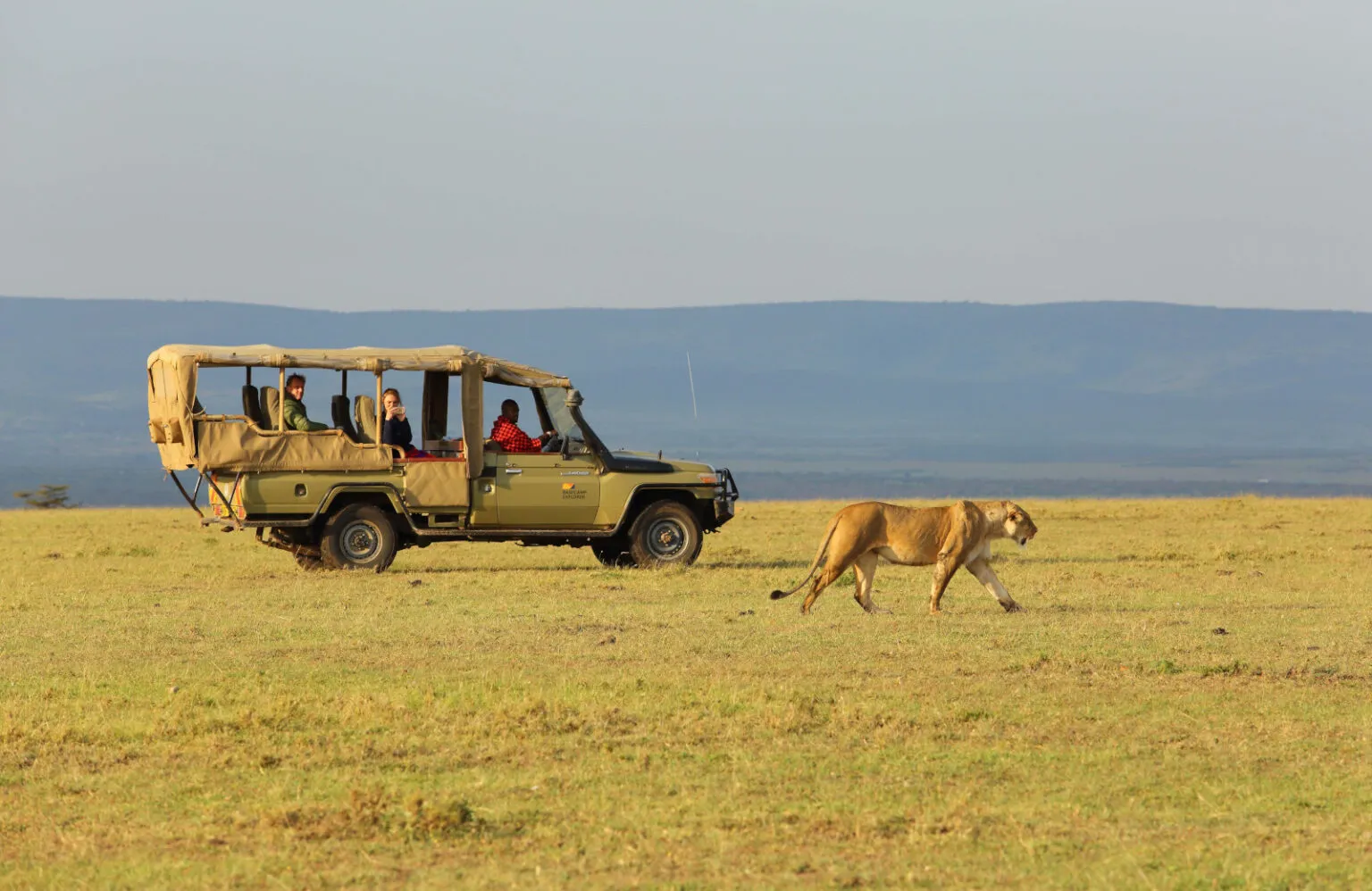
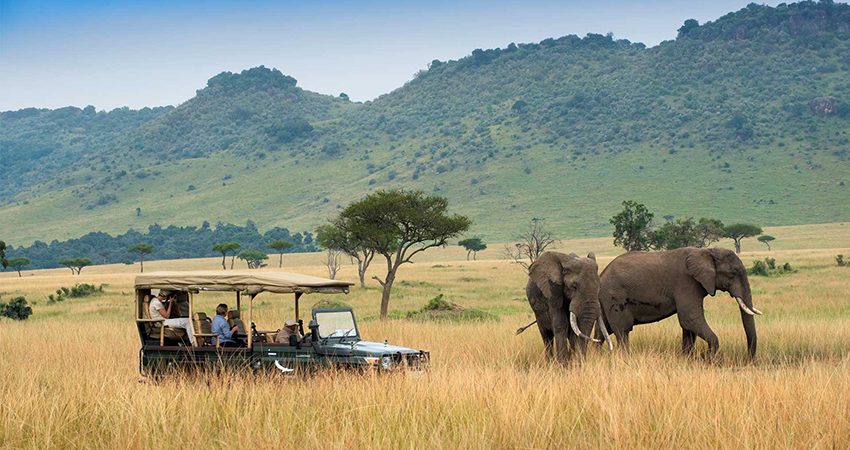
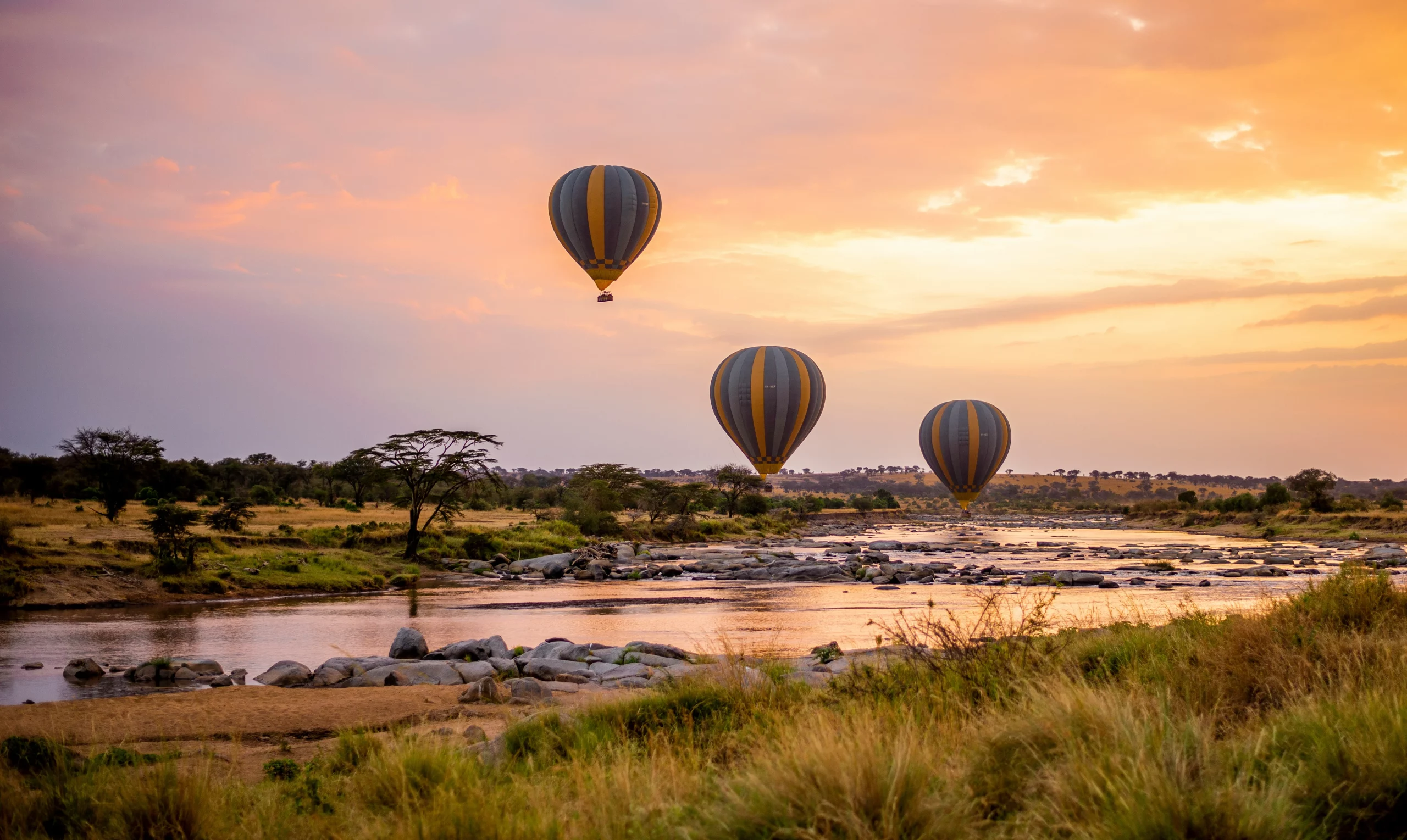
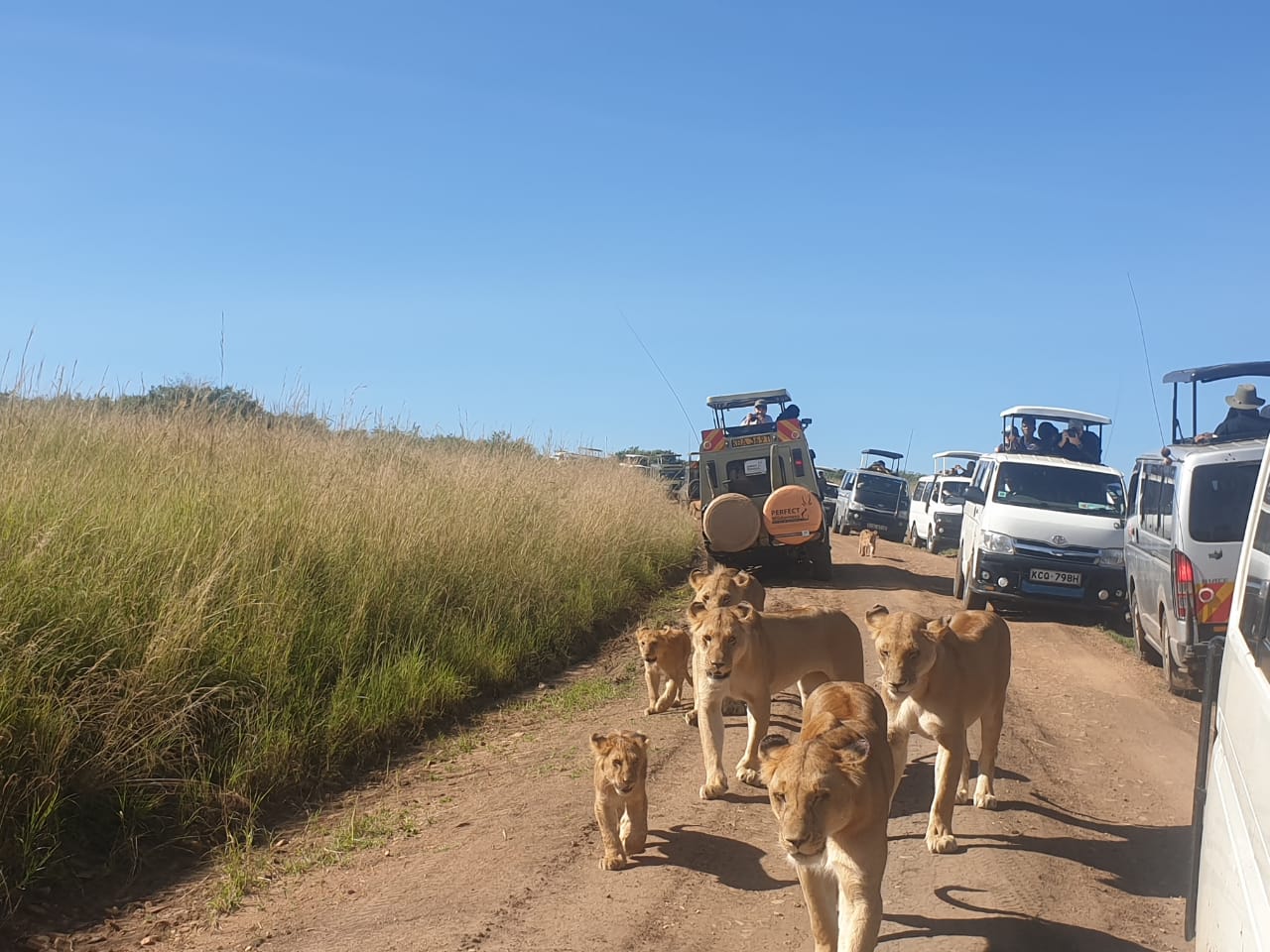
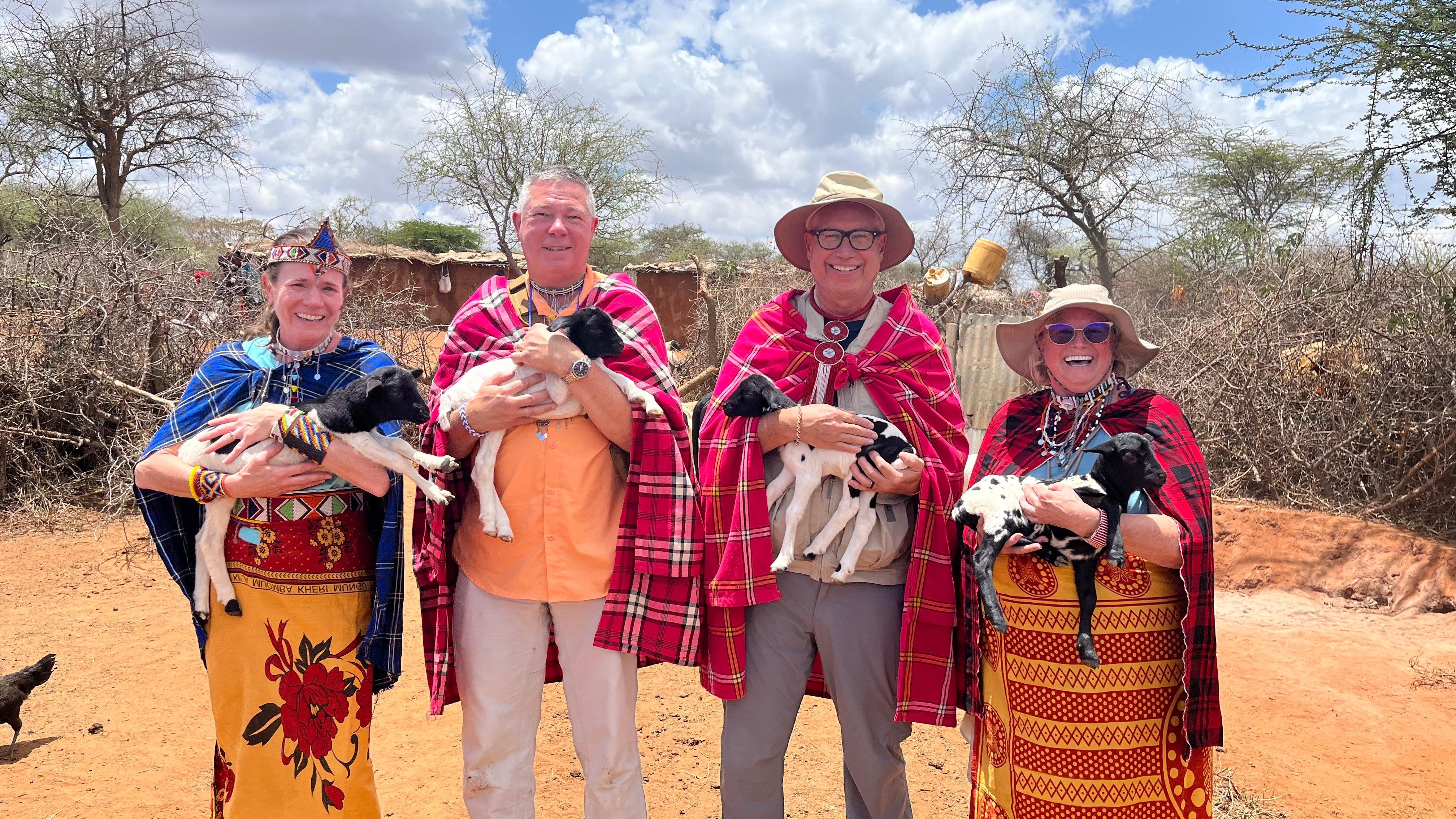
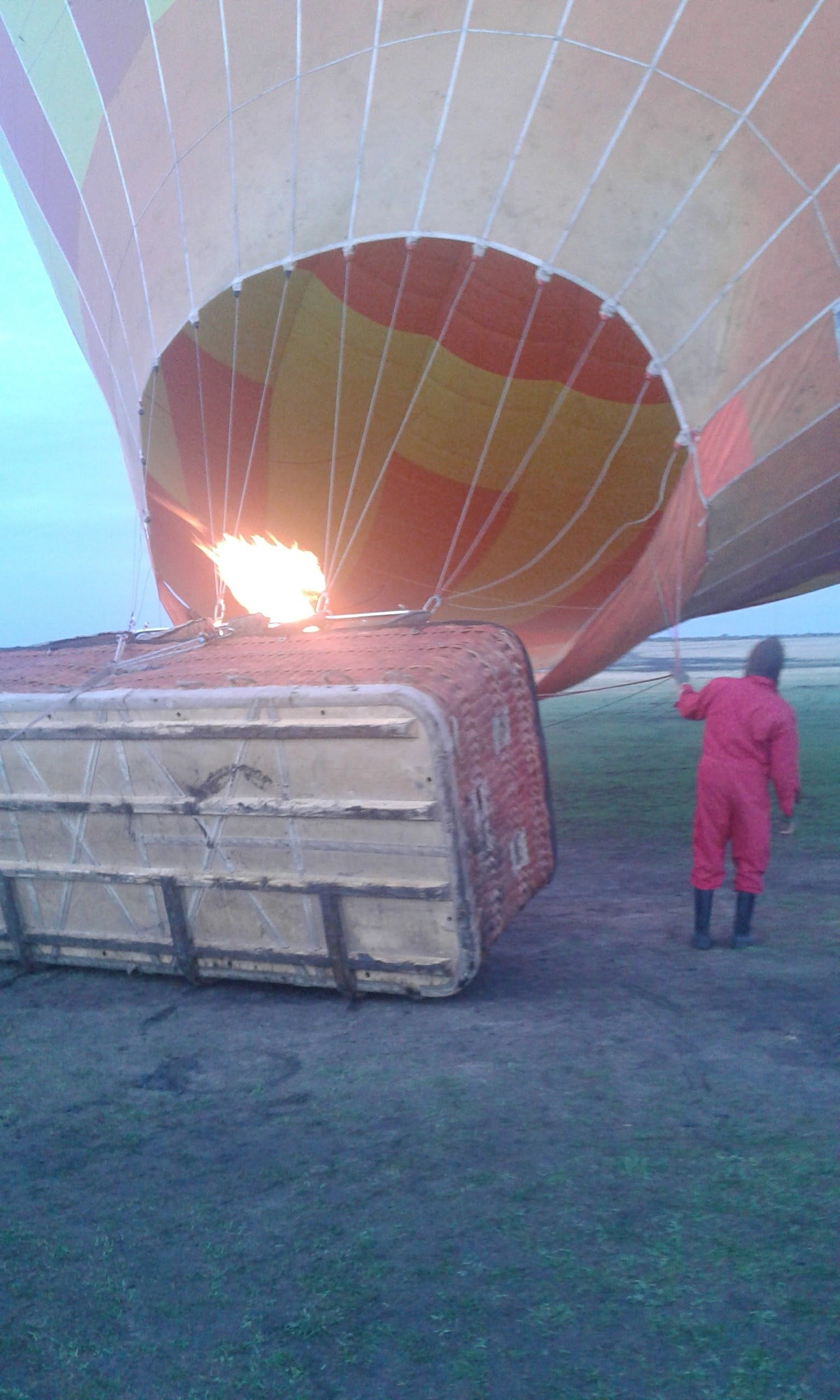
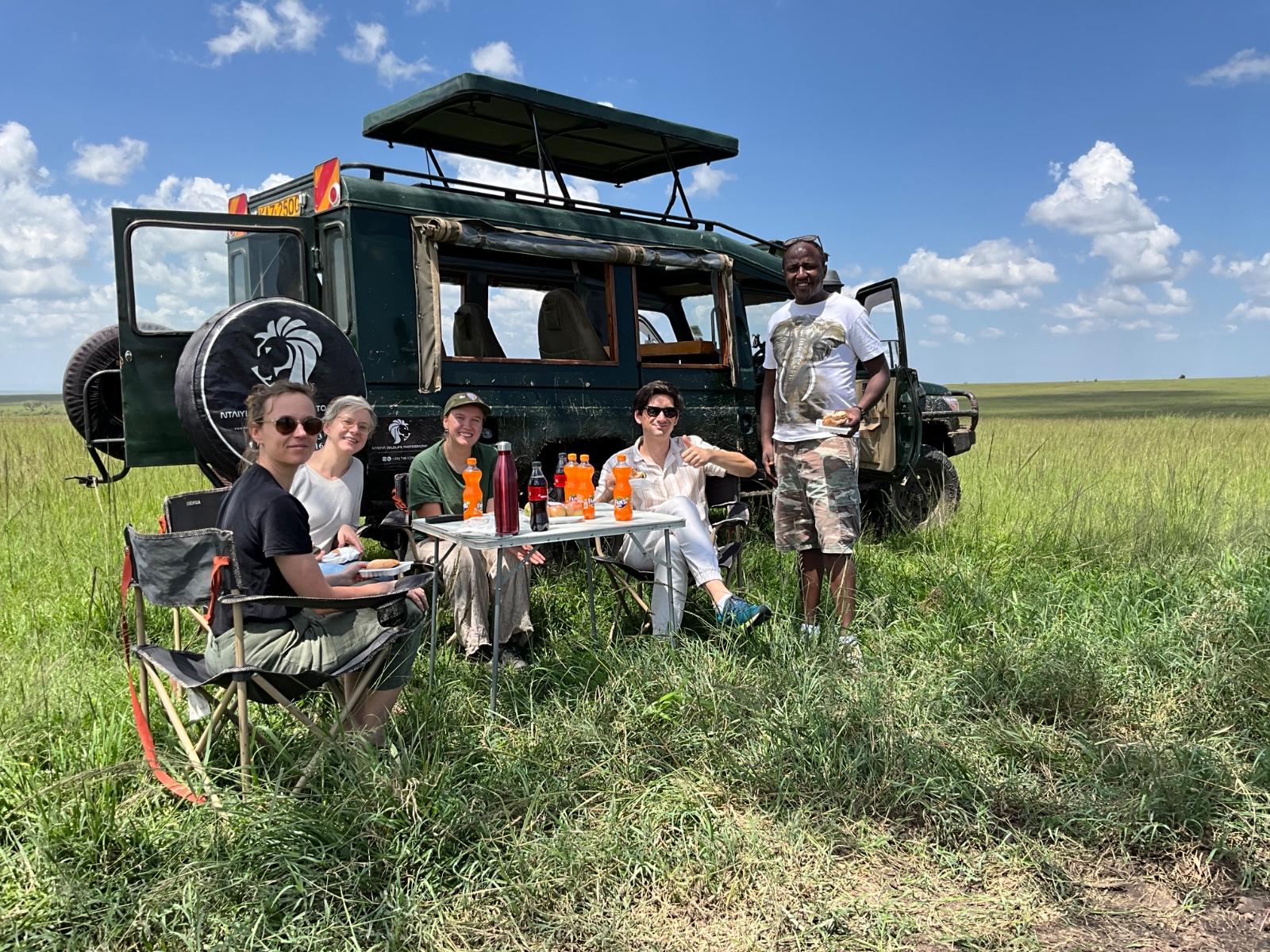
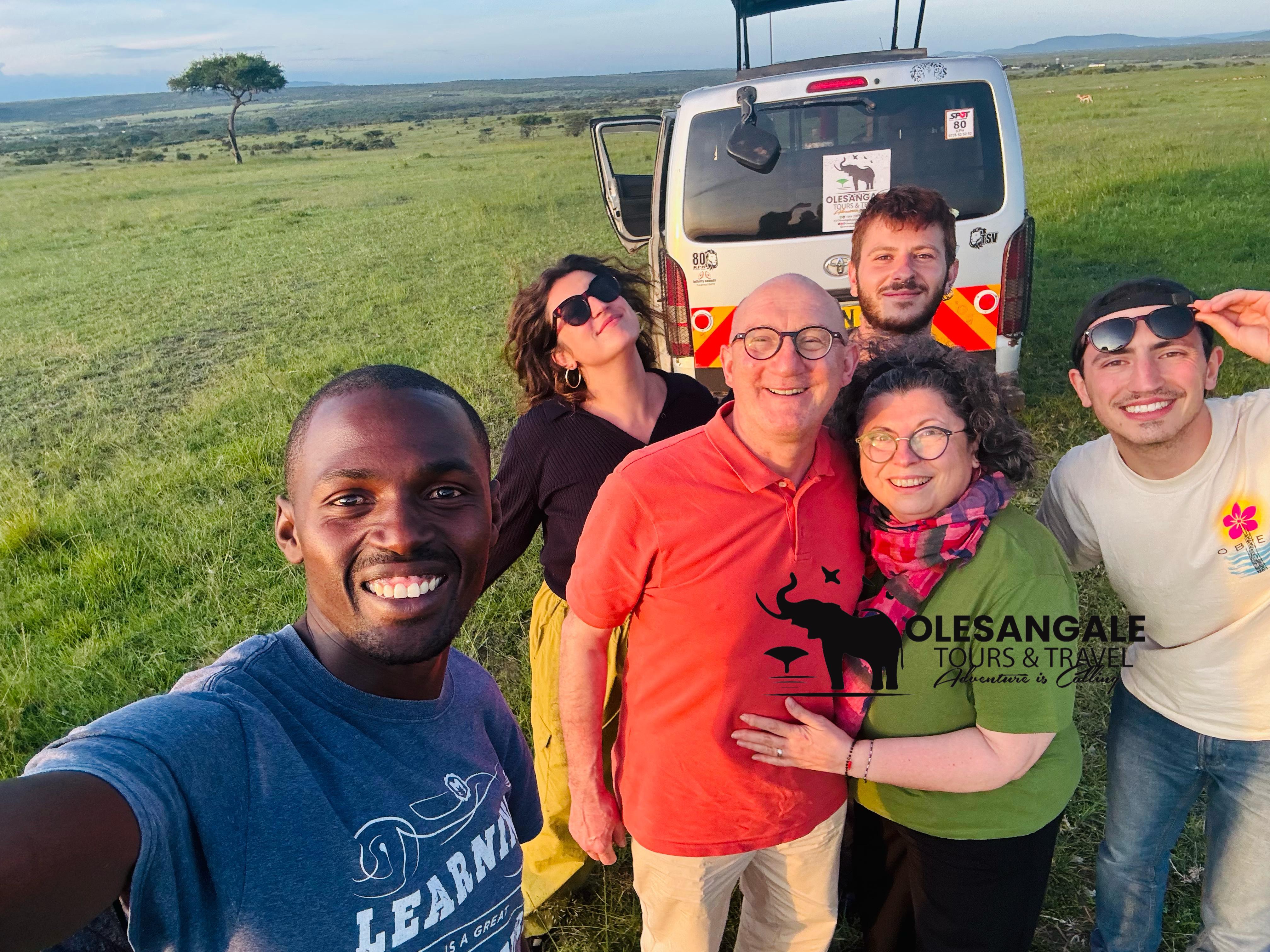
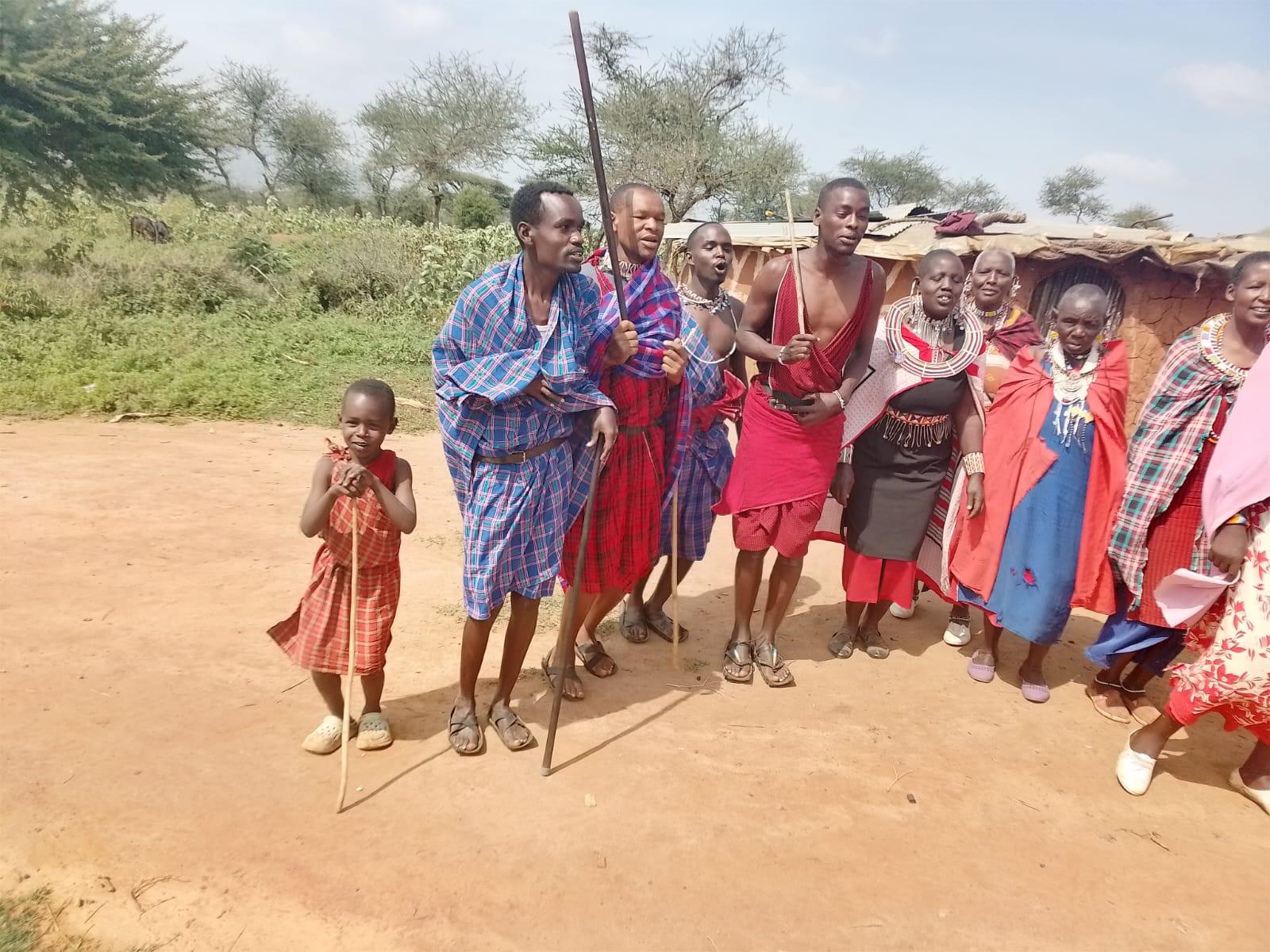
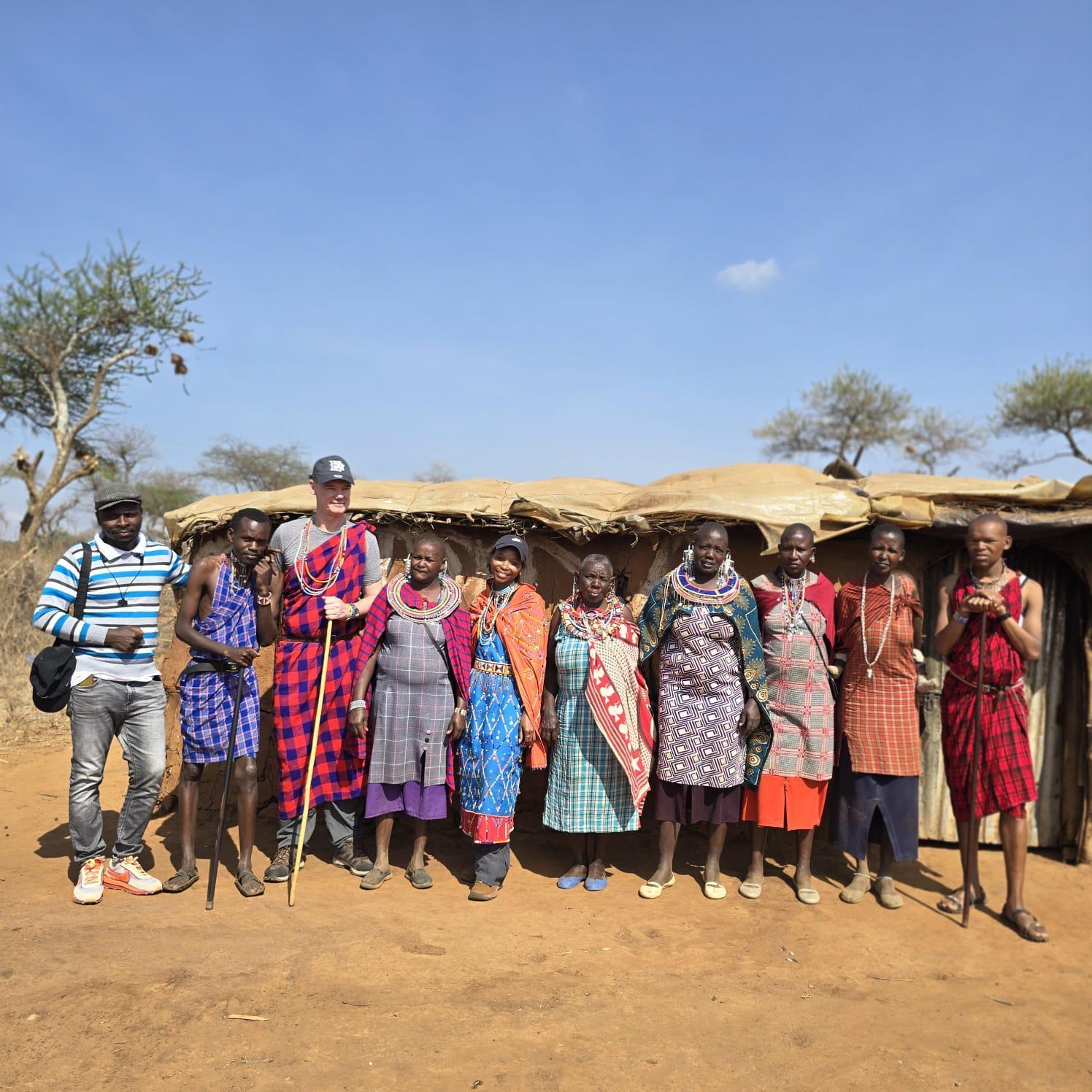
Today the destination defines itself through encounter. Masai Mara Tours are built around the game drive, but the experience widens quickly beyond the vehicle. Dawn balloon flights lift travelers over the herds before the heat rises. Maasai village visits open a window onto pastoral life, beadwork and song. Private and luxury safaris carry small groups into quieter reaches of the reserve, while day trips and multi-day journeys from Nairobi bring the plains within reach of a single week. Photographers come for the leopards along the riverine forest; families come for the elephants and the theatre of a lion pride at rest.

The rhythm of a Masai Mara Tours tour is unhurried and elemental. There is the low idle of engines at first light, the sudden stillness when a cheetah scans the grass, the distant thunder of hooves at a crossing. Booking Masai Mara Tours tickets grants access to a landscape that rewards patience above all, where nothing is staged and every sighting is earned. The reserve suits the curious and the still: those willing to wait, to watch the acacia shadows lengthen, and to let the plains reveal themselves at their own pace. A Masai Mara Tours tour asks little beyond attention, and returns far more than it demands. For first-time safari-goers and seasoned travelers alike, the Mara remains the measure against which other wilderness is judged, a place where the wild still keeps its own time.

“The animals do not recognize the border a map insists upon.”

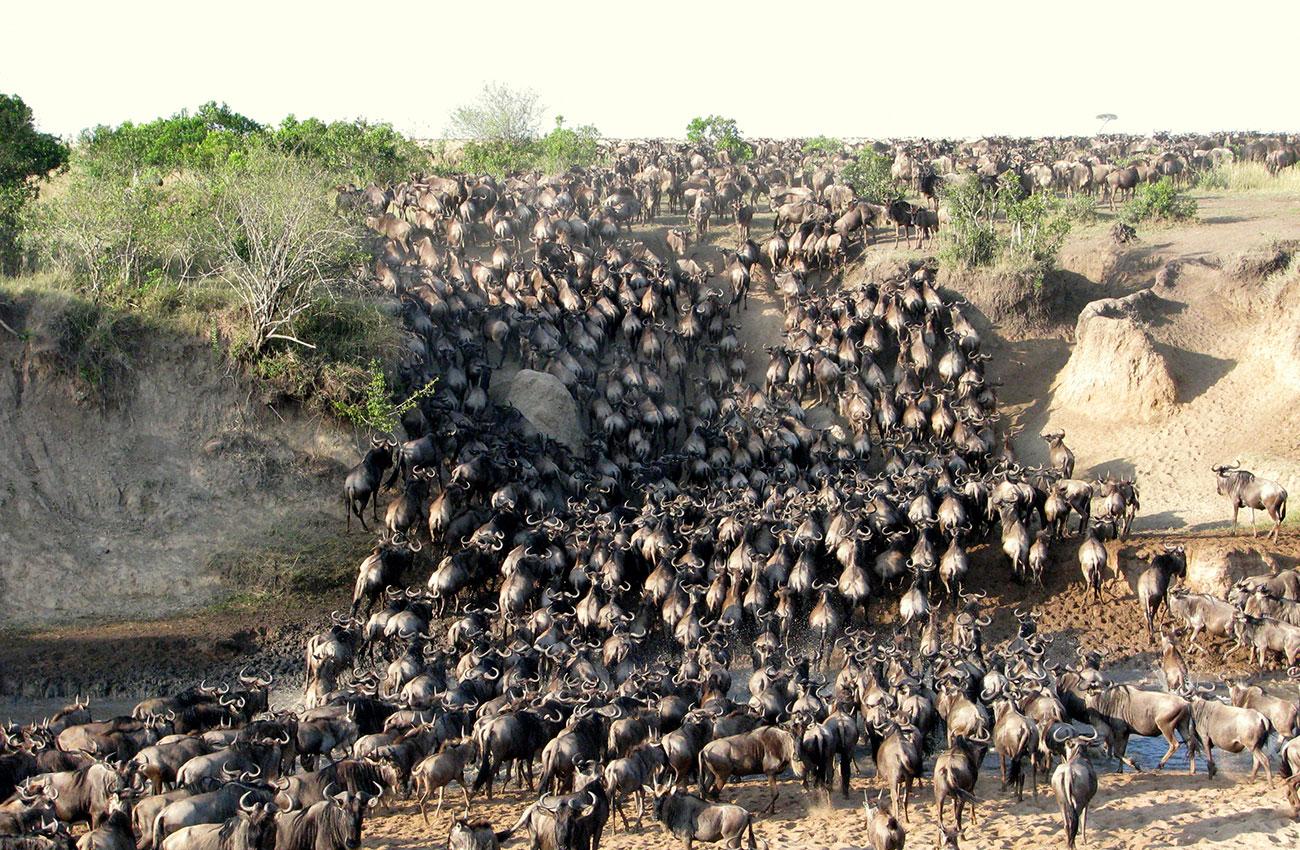
The Great Migration

Between July and October, over a million wildebeest and zebra cross the Mara River in one of the planet's largest wildlife movements.

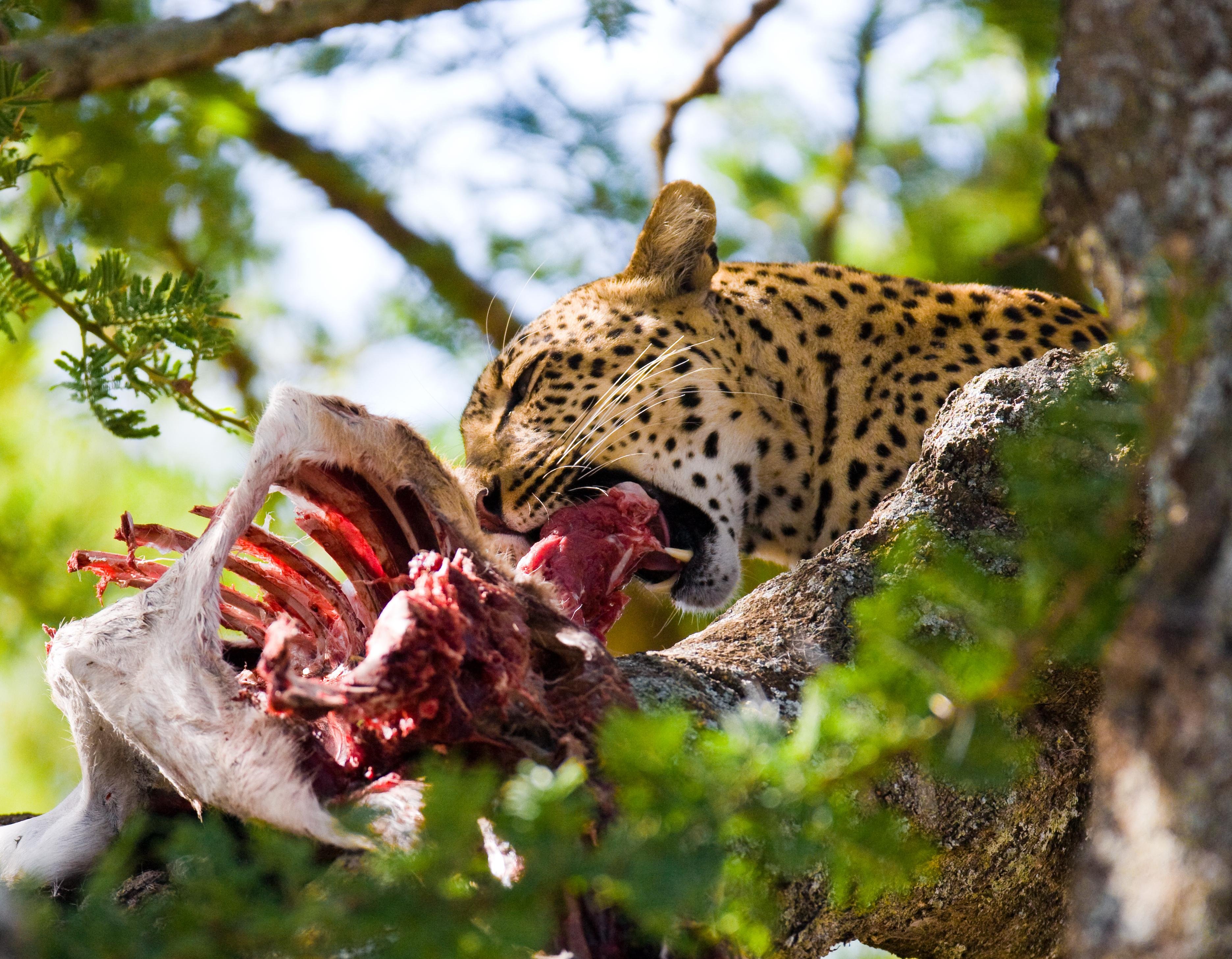
Predator Density

The reserve holds exceptional concentrations of lions, cheetahs and leopards, giving game drives a strong chance of big-cat sightings.

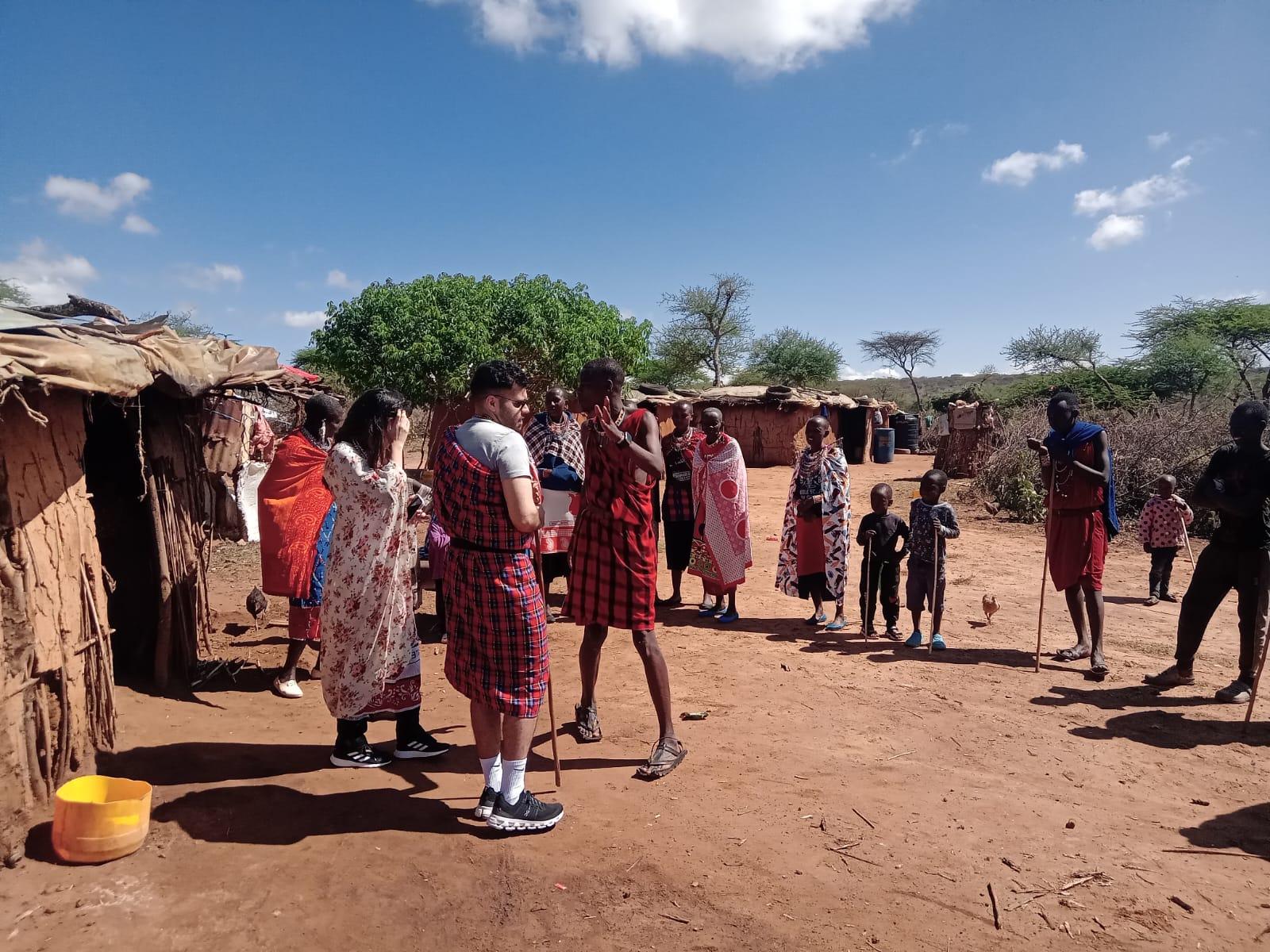
Maasai Homeland

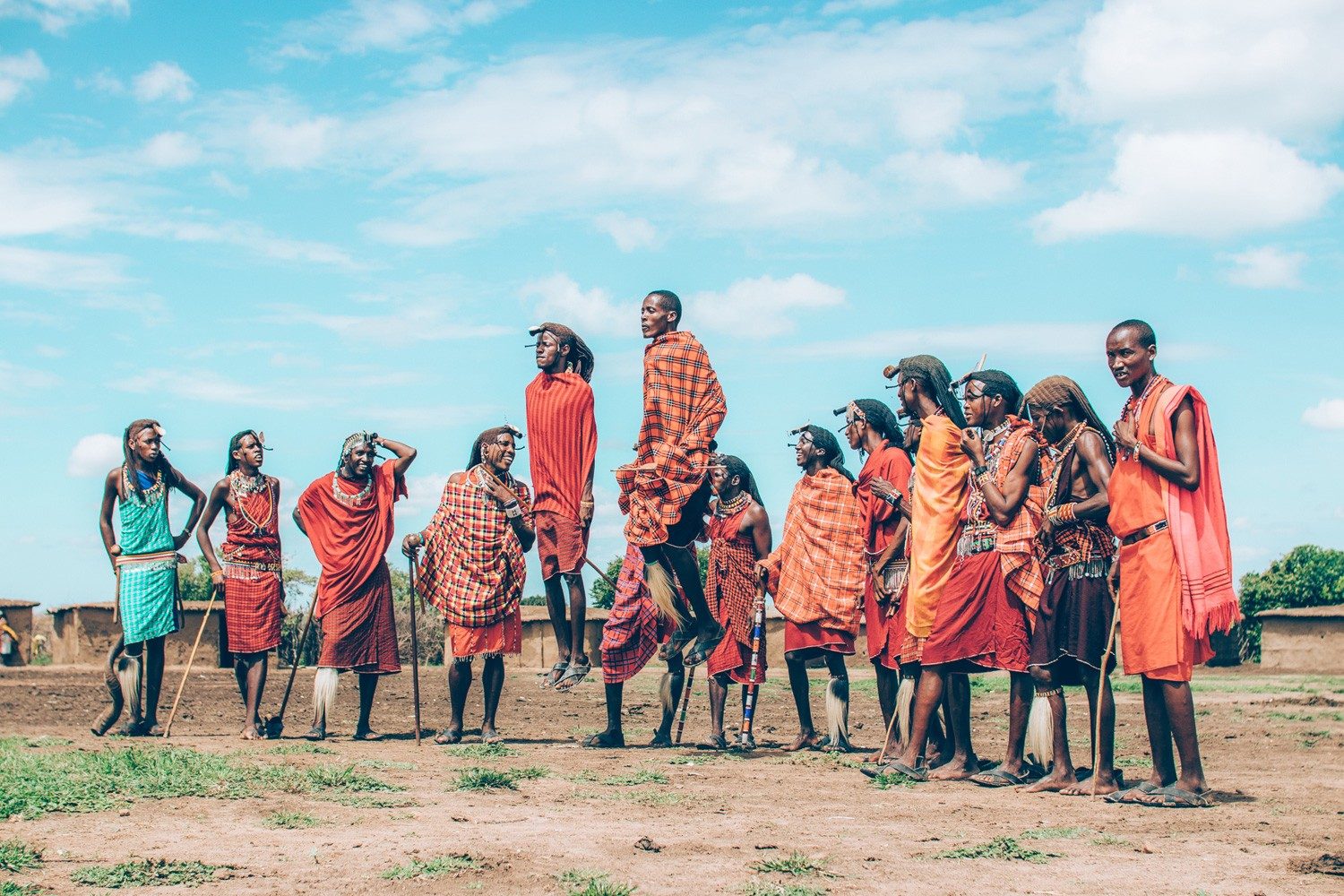
The surrounding plains are the living homeland of the Maasai, whose culture and cattle-herding traditions shape the landscape.

Most popular

Top attractions in Masai Mara

The tours listed here for Masai Mara vary by format — not just by what wildlife you might encounter, but by how much time you have, how much independence you want, and whether you prioritize aerial perspective, cultural exchange, or extended time on the ground. A day trip suits tight schedules; a three-day safari opens up early-morning drives and patient waits. Read each page to understand what the format actually delivers before committing.

Where to go

Exploring the Key Sectors on Masai Mara Tours

The Masai Mara is divided into the central National Reserve and surrounding private conservancies, each offering distinct access rules and wildlife viewing conditions. While the public reserve allows any vehicle and has higher visitor densities, the exclusive conservancies limit vehicle numbers and permit off-road driving and night safaris.

Mara Triangle

Best for: River crossings · Managed safaris

Managed by the Mara Conservancy, this western sector is bordered by the Oloololo Escarpment and the Mara River, making it a prime spot to witness the annual river crossings. It features well-maintained infrastructure and controlled entry points, ensuring structured and reliable game viewing.

Musiara & Sekenani Sectors

Best for: Big cats · Classic savannah

These central and eastern areas of the National Reserve host classic savannah landscapes and a high concentration of safari vehicles. They are excellent for spotting big cats and general wildlife, though the high density of lodges means more traffic at sightings.

Mara North Conservancy

Best for: Low-crowd drives · Walking safaris

This large northern conservation area is managed by a coalition of member camps and Maasai landowners to regulate tourism impact. It offers private game drives with strict vehicle limits, alongside opportunities for guided walking safaris.

Olare Motorogi Conservancy

Best for: Predator sightings · Low crowds

Sharing a border with the National Reserve, this conservancy boasts a high concentration of lions and leopards with minimal crowd levels. Strict vehicle limits at wildlife sightings ensure an intimate viewing experience away from the busier public sectors.

Mara Naboisho Conservancy

Best for: Diverse activities · Elephant herds

Spanning over 50,000 acres, this community-owned conservancy acts as a critical wildlife corridor and supports a high density of elephants. Visitors can participate in night game drives and bush walks, activities that are prohibited inside the main National Reserve.

Getting around

Getting Around During Your Masai Mara Tours

Navigating the Masai Mara requires structured planning, as the reserve features dirt tracks rather than paved roads. Travel within the park is restricted to organized safari vehicles, while regional transport relies on bush flights and long-distance transfers.

Bus

KSh 26000 (one-way from Nairobi)

Safarilink operates scheduled daily flights from Nairobi's Wilson Airport directly to bush airstrips near camp locations. Alternatively, regional operators run long-distance road shuttles that drop passengers off at major entry gates like Sekenani or Talek.

Taxi

KSh 300 (boda boda short ride)

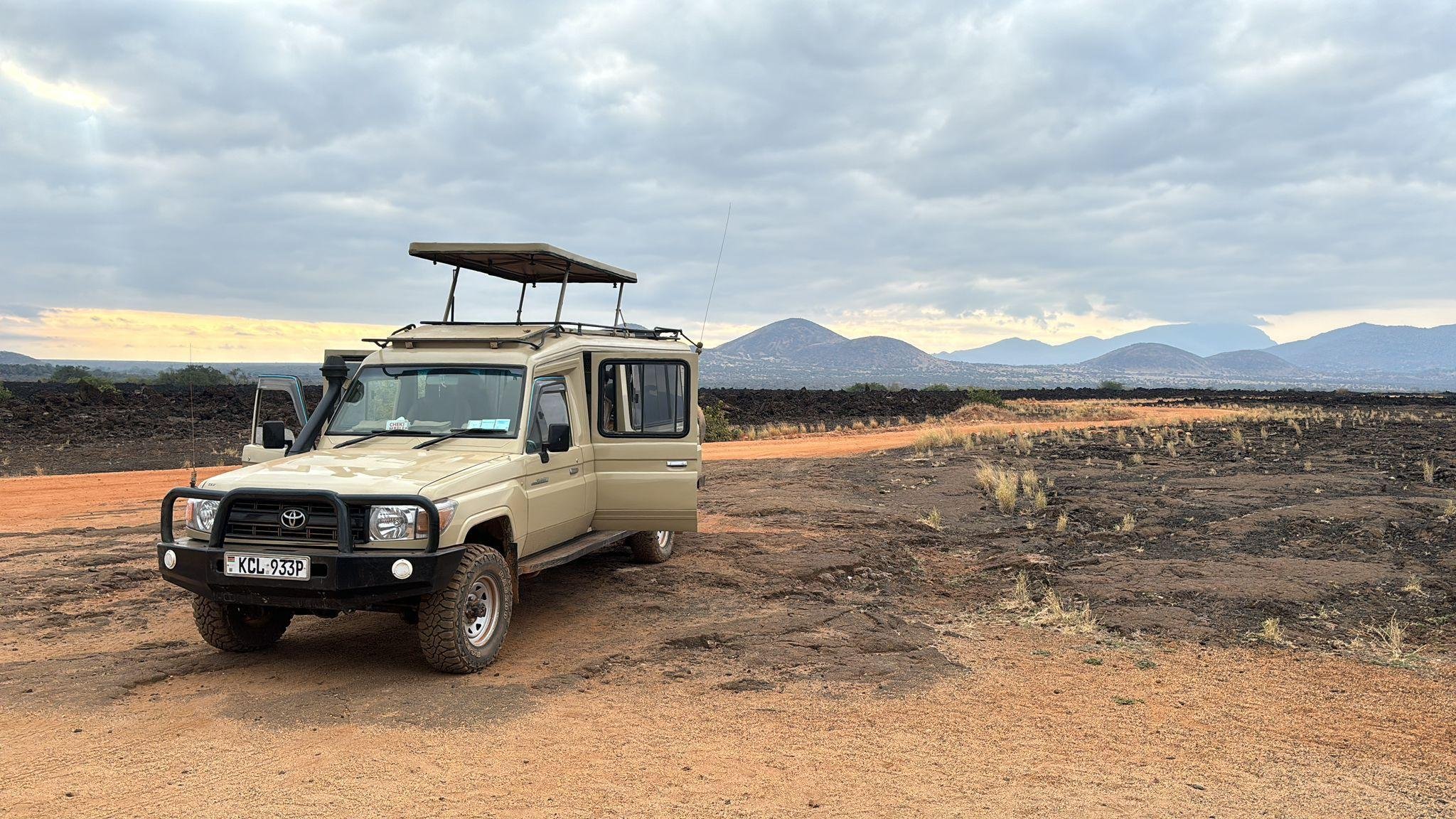
Safari game drives inside the reserve must be conducted in closed or open-sided 4x4 vehicles. For quick, short-distance trips outside the main reserve gates, visitors and locals use boda boda motorbike taxis.

Walking

Varies by camp

Independent walking is strictly prohibited inside the reserve due to wildlife safety hazards. Guided bush walks led by armed rangers are available inside private conservancies or just outside the park gates.

From the airport: Travelers can transfer to their camps from local airstrips like Ol Kiombo Airstrip (OLX), Keekorok Airstrip (KEU), or Mara Serena Airstrip (MRE) via a safari vehicle, which takes 30 min and costs KSh 6500.

When to go

Choosing the Right Season for Masai Mara Tours

The prime window to visit the Masai Mara is during the dry peak season from July to October. This period offers optimal wildlife viewing conditions and coincides with the Great Wildebeest Migration.

Peak Dry Season (July–October)

Dry, sunny. Highs 25°C–27°C, lows 12°C. High volume of safari vehicles.

This period hosts the Great Wildebeest Migration as herds cross the Mara River. Prices for lodges and flights are at their highest.

Short Rains (November–December)

Afternoon showers. Highs around 27°C. Moderate, peaking around Christmas.

Short afternoon storms clear quickly, leaving green landscapes. Migratory birds arrive, and crowds thin out before the holiday rush.

Green Low Season (January–February)

Dry and warm. Highs 27°C–30°C. Low to moderate.

The dry spell between rainy seasons brings newborn animals, attracting predators. Safari rates are lower than the peak period.

Long Rains (March–June)

Heavy rain. Highs around 25°C–26°C. Lowest visitor numbers.

Heavy downpours can make dirt tracks muddy and difficult to navigate. Lodges offer reduced rates, and the landscape is lush.

Costs

Planning the Budget for Your Masai Mara Safari Excursions

Visiting the Masai Mara is high-cost, with seasonal non-resident adult entry fees at KSh 12940 ($100) from January to June, and KSh 25880 ($200) from July to December. Visitors can save on vehicle entry fees and logistics by booking package tours rather than arranging self-drive safaris.

Low-season park entry Non-resident adult day fee, January–June.
KSh 12940
Peak-season park entry Non-resident adult day fee, July–December.
KSh 25880
Private vehicle entry Daily rate for under 6 seats.
KSh 1000
Safarilink one-way flight Fly-in transfer from Nairobi.
KSh 26000
Airstrip camp transfer Safari vehicle transfer, 30-minute ride.
KSh 6500
Mid-range restaurant meal Multi-course lunch or dinner.
KSh 2000–2600
Cup of coffee Available at camps and lodges.
KSh 250
Local Tusker beer Popular drink at camp bars.
KSh 300

Daily budget: Expect a realistic daily budget of KSh 35000 per person for a budget-conscious trip staying outside the reserve, rising to KSh 70000 or more for mid-range stays that include guided drives and park entry fees.

Where to stay

Where to Base Yourself for Masai Mara Safaris

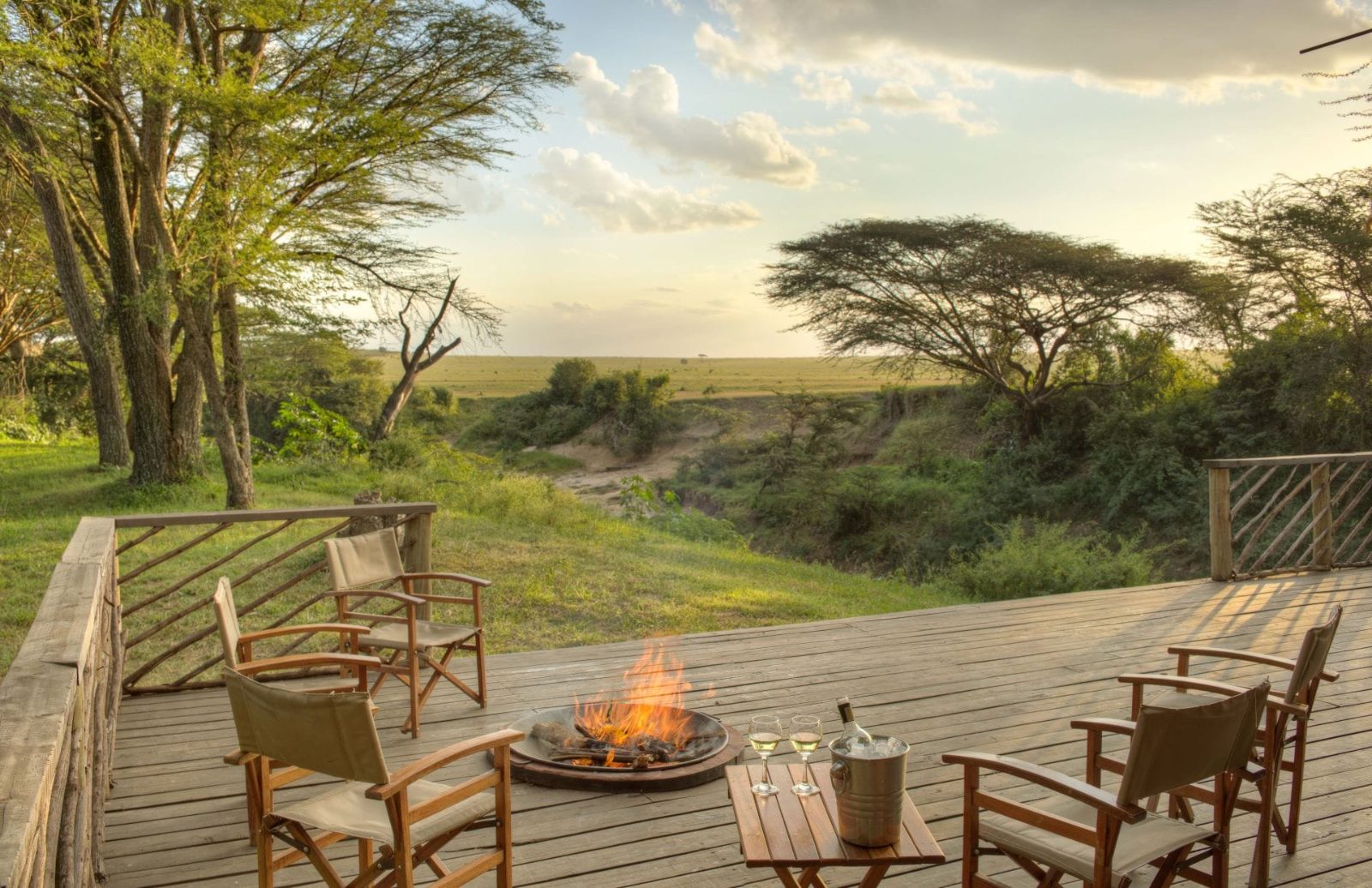
Choosing where to sleep depends on whether you prefer direct proximity to the main river crossings or the flexibility of private concessions. While properties inside the reserve place you closest to the migration action, private conservancies offer exclusive activities at a higher cost.

National Reserve Interior

0 min drive to river crossings

Luxury

Suits travelers prioritizing early morning game drives and proximity to river crossings. The trade-off is a strict 6:30 PM vehicle curfew and higher crowd density.

Private Conservancies

30 min drive to reserve gates

Luxury

Suits those seeking night drives and walking safaris away from crowds. The trade-off is a higher baseline rate and longer drives to the main river crossings.

Sekenani and Talek Border Zones

5 min drive to gates

Mid-range

Suits budget-conscious travelers wanting cheaper lodging just outside the boundary. The trade-off is queuing at the gate each morning and less exclusive wildlife viewings.

The story

History and Maasai Heritage on Masai Mara Safaris

The Maasai reached these grasslands in the seventeenth century, driving cattle south from the lower Nile valley. Their oral histories mark the migration through the age-set system, where each generation of moran, or warriors, carried the community forward. The land they named Mara, meaning spotted, still bears the acacia clusters and shadow that gave it the word. Colonial administrators drew the first boundary in 1948, designating a wildlife area within the Maasai grazing range. In 1961 the sanctuary was formally established, expanded soon after to its present scale. That founding date anchors most Masai Mara Tours today, though the deeper story belongs to the herders who ceded ancestral pasture. Maasai identity survived in beadwork, in the shuka cloth, and in the adumu, the jumping dance performed at each manyatta village. Since 2005, community-managed conservancies have restored a measure of that lost authority. Landowning families lease pasture to tourism partnerships and share the returns, a Masai Mara guided tour model that funds schools and clinics. Visitors booking Masai Mara Tours tickets now fund households directly. What a traveler still sees of this history is plain: red-cloaked elders at the reserve gates, cattle moving at dusk beyond the fence line, and the beaded ornaments sold near every manyatta. A single Masai Mara Tours tour, or a longer Masai Mara Tours tours circuit, threads through that living continuity.

17th c.

Maasai pastoralists migrate south into the Mara grasslands with their cattle herds.

1904

Colonial treaties begin restricting Maasai grazing across the southern rangelands.

1948

Administrators designate the first protected wildlife area within Maasai land.

1961

The Masai Mara sanctuary is formally established as a game reserve.

1974

The reserve is expanded and portions transferred to county council management.

2005

The first community-owned conservancies form, leasing family pasture for shared tourism revenue.

FAQ

Frequently asked questions about Masai Mara Tours

Everything you need to know about visiting Masai Mara Tours

Ready to Explore?

Choose from amazing attractions and create unforgettable memories in this beautiful city

View All Attractions